


Categories
-
Adhesive Tapes
- Cloth Tape
- Custom Printed & Printed Labels & Tapes
- Double Sided Tapes
- Filament Tapes
- Foam Tapes
- Framing Tape
- Gaffa Tapes
- High Bond Tape
- Masking Tapes
- Packing & Machine Tapes
- Paper Packing Tapes
- Specialty Tapes
- Strapping Tapes
- Tape Dispensers & Tape Guns
- Taping Machines - Tape Dispensers
- Teflon Tape
- Adhesive Transfer Tape | ATG Transfer Tape Rolls
- Water Activated Tapes & Dispensers
- Bubble Wrap
- Cardboard Boxes, Corrugated & Paper
- Carton Sealers & Carton Sealing Machines
- Cold Chain Packaging
- Double Sided Tapes
- Environmentally Friendly Packaging
- General Packaging
- Glue Dots
- Hot Glue Guns & Hot Glue / Glue Sticks
- Heat Sealers | Bag Sealers
- Instapak - Foam In Place Packaging
- Labels, Labelling Machines and Label Applicators
- Mailing Tubes
- Packaging Machinery
- Padded Mailers, Jiffy Bags and Bubble Mailers
- Pallet Wrappers
- Pallet Wrap and Pallet Stabilisation
- Plastic Bags
- Protective Packaging
- Service & Repairs / Servicing Your Packaging Machinery
- Shrink Wrap | Heat Shrink Film
- Shrink Sleeves
- Shrink Tunnels
- Shrink Wrap Machines
- Strapping
- Strapping Machines
- Tamper Resistant Packaging
- Tape Machines and Dispensers
- Used and Second Hand Packaging Machinery
- Vacuum Packaging
- Washroom Products
- Zapak Strapping Tools
Information
-
Posted: 1 October 2026
-
Posted: 25 June 2026
-
Posted: 25 June 2026
-
Posted: 11 June 2026
-
Posted: 11 June 2026
We Recommend
-
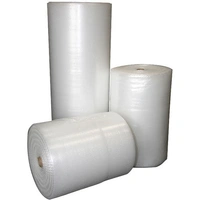
Bubble Wrap Rolls - Protective Bubble Packaging
From $108.56
-
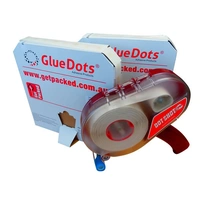
Glue Dots - Sticky Dots - GlueDots® Adhesive Produ
From $125.00

What are....Rubber Bands?

722
Rubber bands are flexible, elastic loops commonly used to hold, bundle or secure items together. Made from natural or synthetic rubber, they can stretch around objects of different sizes and return to their original shape when released.
Rubber bands, or Elastic bands, are widely used in offices, warehouses, retail stores, and packaging operations as a simple, cost-effective way to group products, organise materials, and temporarily secure items.
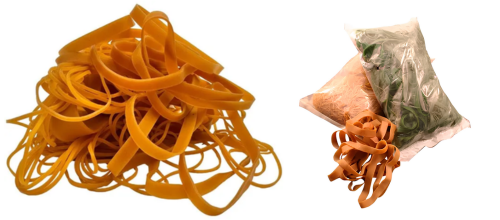
Common Uses for Rubber Bands
- Bundling Products: Holding multiple items together for storage, handling or distribution.
- Packaging: Securing bags, cartons, documents and lightweight products.
- Office Use: Organising paperwork, stationery and other office supplies.
- Warehousing: Grouping small products, components and loose items.
- Retail: Bundling merchandise, produce and other products.
Types of Rubber Bands
Rubber bands come in various sizes, widths, thicknesses, and materials to suit different applications.
- Standard Rubber Bands: General-purpose bands for everyday bundling and packaging.
- Heavy-Duty Rubber Bands: Thicker, stronger bands designed for larger or heavier bundles.
- Coloured Rubber Bands: Used to identify, sort, and colour-code products.
- Food-Grade Rubber Bands: Manufactured from materials suitable for specified food-contact applications.
Benefits of Rubber Bands
Rubber bands are inexpensive, lightweight, easy to apply and reusable when they remain in good condition. Their elasticity lets them accommodate different bundle sizes without extra tools or equipment.
Rubber bands offer a practical packaging and bundling solution for businesses that need a quick, economical way to hold products and materials together.
