


Categories
-
Adhesive Tapes
- Cloth Tape
- Custom Printed & Printed Labels & Tapes
- Double Sided Tapes
- Filament Tapes
- Foam Tapes
- Framing Tape
- Gaffa Tapes
- High Bond Tape
- Masking Tapes
- Packing & Machine Tapes
- Paper Packing Tapes
- Specialty Tapes
- Strapping Tapes
- Tape Dispensers & Tape Guns
- Taping Machines - Tape Dispensers
- Teflon Tape
- Adhesive Transfer Tape | ATG Transfer Tape Rolls
- Water Activated Tapes & Dispensers
- Bubble Wrap
- Cardboard Boxes, Corrugated & Paper
- Carton Sealers & Carton Sealing Machines
- Cold Chain Packaging
- Double Sided Tapes
- Environmentally Friendly Packaging
- General Packaging
- Glue Dots
- Hot Glue Guns & Hot Glue / Glue Sticks
- Heat Sealers | Bag Sealers
- Instapak - Foam In Place Packaging
- Labels, Labelling Machines and Label Applicators
- Mailing Tubes
- Packaging Machinery
- Padded Mailers, Jiffy Bags and Bubble Mailers
- Pallet Wrappers
- Pallet Wrap and Pallet Stabilisation
- Plastic Bags
- Protective Packaging
- Service & Repairs / Servicing Your Packaging Machinery
- Shrink Wrap | Heat Shrink Film
- Shrink Sleeves
- Shrink Tunnels
- Shrink Wrap Machines
- Strapping
- Strapping Machines
- Tamper Resistant Packaging
- Tape Machines and Dispensers
- Used and Second Hand Packaging Machinery
- Vacuum Packaging
- Washroom Products
- Zapak Strapping Tools
Information
-
Posted: 1 October 2026
-
Posted: 25 June 2026
-
Posted: 25 June 2026
-
Posted: 11 June 2026
-
Posted: 11 June 2026
We Recommend
-
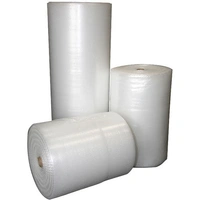
Bubble Wrap Rolls - Protective Bubble Packaging
From $108.56
-
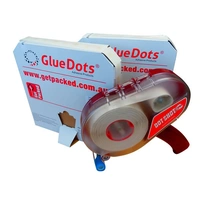
Glue Dots - Sticky Dots - GlueDots® Adhesive Produ
From $125.00

What is Netting?

717
Netting is a flexible, mesh-like material used in packaging to protect, contain, separate or secure products during storage, handling and transportation. It is typically manufactured from polyethylene (PE), polypropylene (PP) or other plastic materials and features an open mesh structure that allows airflow around the packaged product.
What is Netting Used For?
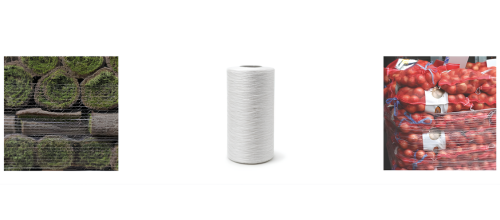
Netting is commonly used for:
- Product Protection: Protecting fragile items such as glass bottles, ceramics and metal components from scratches and damage.
- Food Packaging: Containing fresh produce such as onions, oranges, potatoes and other fruit and vegetables while allowing ventilation.
- Industrial Packaging: Separating and protecting components, pipes and manufactured products during transport.
- Bundling Products: Keeping multiple items together without completely enclosing them.
- Pallet Protection: Helping contain or stabilise certain palletised loads while allowing airflow.
Benefits of Netting
- Lightweight, flexible and easy to apply.
- Open mesh construction allows air circulation.
- Available in different mesh sizes, widths and strengths.
- Can conform to irregularly shaped products.
- Helps reduce surface damage during handling and transportation.
- Certain types are reusable or recyclable, depending on the material and local recycling facilities.
In summary: Packaging netting is a lightweight, flexible mesh material designed to protect, contain or secure products while allowing ventilation. It is commonly used in food packaging, industrial applications and protective packaging.
