


Categories
-
Adhesive Tapes
- Cloth Tape
- Custom Printed & Printed Labels & Tapes
- Double Sided Tapes
- Filament Tapes
- Foam Tapes
- Framing Tape
- Gaffa Tapes
- High Bond Tape
- Masking Tapes
- Packing & Machine Tapes
- Paper Packing Tapes
- Specialty Tapes
- Strapping Tapes
- Tape Dispensers & Tape Guns
- Taping Machines - Tape Dispensers
- Teflon Tape
- Adhesive Transfer Tape | ATG Transfer Tape Rolls
- Water Activated Tapes & Dispensers
- Bubble Wrap
- Cardboard Boxes, Corrugated & Paper
- Carton Sealers & Carton Sealing Machines
- Cold Chain Packaging
- Double Sided Tapes
- Environmentally Friendly Packaging
- General Packaging
- Glue Dots
- Hot Glue Guns & Hot Glue / Glue Sticks
- Heat Sealers | Bag Sealers
- Instapak - Foam In Place Packaging
- Labels, Labelling Machines and Label Applicators
- Mailing Tubes
- Packaging Machinery
- Padded Mailers, Jiffy Bags and Bubble Mailers
- Pallet Wrappers
- Pallet Wrap and Pallet Stabilisation
- Plastic Bags
- Protective Packaging
- Service & Repairs / Servicing Your Packaging Machinery
- Shrink Wrap | Heat Shrink Film
- Shrink Sleeves
- Shrink Tunnels
- Shrink Wrap Machines
- Strapping
- Strapping Machines
- Tamper Resistant Packaging
- Tape Machines and Dispensers
- Used and Second Hand Packaging Machinery
- Vacuum Packaging
- Washroom Products
- Zapak Strapping Tools
Information
-
Posted: 1 October 2026
-
Posted: 25 June 2026
-
Posted: 25 June 2026
-
Posted: 11 June 2026
-
Posted: 11 June 2026
We Recommend
-
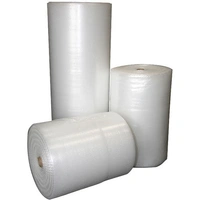
Bubble Wrap Rolls - Protective Bubble Packaging
From $108.56
-
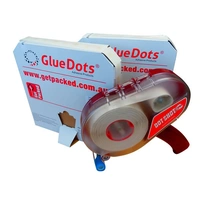
Glue Dots - Sticky Dots - GlueDots® Adhesive Produ
From $125.00

What is Cold Chain Packaging?

593
Cold Chain Packaging refers to specialised packaging designed to keep temperature-sensitive products within a controlled temperature range during storage, handling and transportation. It protects perishable goods and is commonly used for transporting food, pharmaceuticals, vaccines, medical supplies and other perishable products that must be kept chilled, frozen or at a specific temperature to maintain their quality, safety and effectiveness.
Cold chain packaging solutions include insulated boxes, thermal liners, gel ice packs, refrigerant packs and temperature-controlled containers. These materials work together to reduce heat transfer and maintain the required temperature throughout the delivery process.
By protecting products against temperature fluctuations, cold chain packaging helps reduce spoilage, maintain product integrity and ensure goods arrive at their destination in optimal condition.
How Does Cold Chain Packaging Work?
Cold chain packaging uses insulating materials and cooling agents to maintain a consistent internal temperature. Insulation slows heat transfer, while gel ice packs or other refrigerants absorb heat to keep products cool for a specified period.
The effectiveness of cold chain packaging depends on factors such as the insulation used, the number and type of cooling packs, external temperatures, and transportation duration.
What is Cold Chain Packaging Used For?
Cold chain packaging is widely used across industries including food distribution, pharmaceuticals, healthcare and biotechnology. It is particularly important when transporting products that must remain chilled, frozen or within a specific temperature range.
Effective cold chain packaging helps minimise spoilage, maintain product integrity and ensure temperature-sensitive goods reach their destination in optimal condition.
Why is Cold Chain Packaging Important?
Cold chain packaging plays an essential role in protecting temperature-sensitive products during transportation. By helping maintain the required temperature, it reduces the risk of product deterioration, minimises waste and supports safe and reliable distribution.

