


Categories
-
Adhesive Tapes
- Cloth Tape
- Custom Printed & Printed Labels & Tapes
- Double Sided Tapes
- Filament Tapes
- Foam Tapes
- Framing Tape
- Gaffa Tapes
- High Bond Tape
- Masking Tapes
- Packing & Machine Tapes
- Paper Packing Tapes
- Specialty Tapes
- Strapping Tapes
- Tape Dispensers & Tape Guns
- Taping Machines - Tape Dispensers
- Teflon Tape
- Adhesive Transfer Tape | ATG Transfer Tape Rolls
- Water Activated Tapes & Dispensers
- Bubble Wrap
- Cardboard Boxes, Corrugated & Paper
- Carton Sealers & Carton Sealing Machines
- Cold Chain Packaging
- Double Sided Tapes
- Environmentally Friendly Packaging
- General Packaging
- Glue Dots
- Hot Glue Guns & Hot Glue / Glue Sticks
- Heat Sealers | Bag Sealers
- Instapak - Foam In Place Packaging
- Labels, Labelling Machines and Label Applicators
- Mailing Tubes
- Packaging Machinery
- Padded Mailers, Jiffy Bags and Bubble Mailers
- Pallet Wrappers
- Pallet Wrap and Pallet Stabilisation
- Plastic Bags
- Protective Packaging
- Service & Repairs / Servicing Your Packaging Machinery
- Shrink Wrap | Heat Shrink Film
- Shrink Sleeves
- Shrink Tunnels
- Shrink Wrap Machines
- Strapping
- Strapping Machines
- Tamper Resistant Packaging
- Tape Machines and Dispensers
- Used and Second Hand Packaging Machinery
- Vacuum Packaging
- Washroom Products
- Zapak Strapping Tools
Information
-
Posted: 1 October 2026
-
Posted: 25 June 2026
-
Posted: 25 June 2026
-
Posted: 11 June 2026
-
Posted: 11 June 2026
We Recommend
-
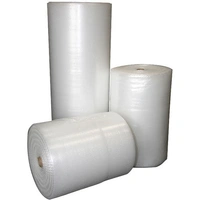
Bubble Wrap Rolls - Protective Bubble Packaging
From $108.56
-
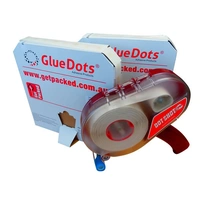
Glue Dots - Sticky Dots - GlueDots® Adhesive Produ
From $125.00

What is Rigid Packaging?

728
Rigid packaging refers to packaging materials and containers that have a firm, solid structure and maintain their shape during handling, storage and transportation. Unlike flexible packaging, which can bend, fold or stretch, rigid packaging is designed to provide strength, stability and protection for packaged products.
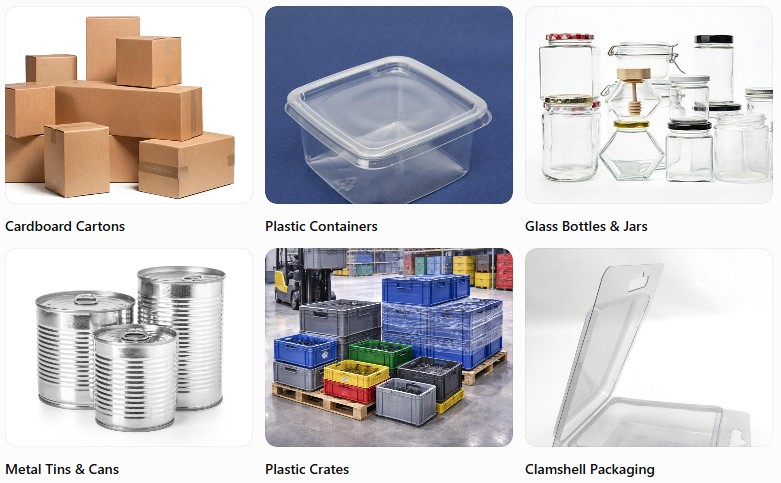
Rigid packaging is commonly made from materials such as plastic, cardboard, corrugated board, glass and metal.
Benefits of Rigid Packaging
- Product Protection: Provides structural support and helps protect products against crushing, impact and damage.
- Stackability: Many rigid packaging products can be stacked for efficient storage and transportation.
- Durability: Maintains its shape under normal handling and shipping conditions.
- Product Presentation: Provides a stable structure for branding, labelling and retail display.
- Reusability: Some rigid packaging, such as plastic crates and containers, can be reused multiple times.
Rigid Packaging vs Flexible Packaging
| Rigid Packaging | Flexible Packaging |
|---|---|
| Maintains its shape | Bends, folds or stretches |
| Provides structural protection | Generally lightweight and adaptable |
| Examples include cartons, bottles and crates | Examples include plastic bags, shrink film and pallet wrap |
| Often heavier and bulkier | Generally requires less storage space before filling |
In the packaging industry, rigid packaging is widely used for protecting, storing, transporting and displaying products across industries such as food and beverage, manufacturing, pharmaceuticals, retail and logistics.
