


Categories
-
Adhesive Tapes
- Cloth Tape
- Custom Printed & Printed Labels & Tapes
- Double Sided Tapes
- Filament Tapes
- Foam Tapes
- Framing Tape
- Gaffa Tapes
- High Bond Tape
- Masking Tapes
- Packing & Machine Tapes
- Paper Packing Tapes
- Specialty Tapes
- Strapping Tapes
- Tape Dispensers & Tape Guns
- Taping Machines - Tape Dispensers
- Teflon Tape
- Adhesive Transfer Tape | ATG Transfer Tape Rolls
- Water Activated Tapes & Dispensers
- Bubble Wrap
- Cardboard Boxes, Corrugated & Paper
- Carton Sealers & Carton Sealing Machines
- Cold Chain Packaging
- Double Sided Tapes
- Environmentally Friendly Packaging
- General Packaging
- Glue Dots
- Hot Glue Guns & Hot Glue / Glue Sticks
- Heat Sealers | Bag Sealers
- Instapak - Foam In Place Packaging
- Labels, Labelling Machines and Label Applicators
- Mailing Tubes
- Packaging Machinery
- Padded Mailers, Jiffy Bags and Bubble Mailers
- Pallet Wrappers
- Pallet Wrap and Pallet Stabilisation
- Plastic Bags
- Protective Packaging
- Service & Repairs / Servicing Your Packaging Machinery
- Shrink Wrap | Heat Shrink Film
- Shrink Sleeves
- Shrink Tunnels
- Shrink Wrap Machines
- Strapping
- Strapping Machines
- Tamper Resistant Packaging
- Tape Machines and Dispensers
- Used and Second Hand Packaging Machinery
- Vacuum Packaging
- Washroom Products
- Zapak Strapping Tools
Information
-
Posted: 1 October 2026
-
Posted: 25 June 2026
-
Posted: 25 June 2026
-
Posted: 11 June 2026
-
Posted: 11 June 2026
We Recommend
-
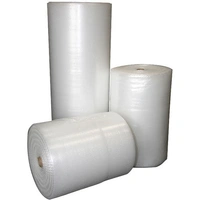
Bubble Wrap Rolls - Protective Bubble Packaging
From $108.56
-
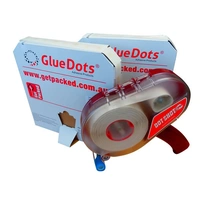
Glue Dots - Sticky Dots - GlueDots® Adhesive Produ
From $125.00

What Is Vacuum Packing?

710
Vacuum packing is a packaging method that removes air from a bag or pouch before sealing it to create an airtight package. By removing oxygen, vacuum packing helps protect products from moisture, contamination and oxidation, while extending the shelf life of certain food products.
Vacuum packing is commonly used in the food industry for meat, seafood, cheese, vegetables and prepared meals. It is also used for industrial products, electronic components and other items requiring protection during storage or transportation.
How Does Vacuum Packing Work?
- Product Placement: The product is placed inside a vacuum bag or pouch.
- Air Removal: A vacuum packing machine extracts air from the packaging.
- Heat Sealing: The open end of the bag is heat sealed to create an airtight closure.
- Finished Package: The sealed bag helps protect the contents from external contamination and environmental exposure.
Benefits of Vacuum Packing
- Extended Shelf Life: Reduces oxygen exposure, helping slow oxidation and the growth of many spoilage microorganisms.
- Product Protection: Helps protect products against moisture, dust and contamination.
- Reduced Packaging Volume: Removes excess air to create compact packaging for easier storage and transportation.
- Food Quality: Helps maintain freshness, flavour and appearance when used with appropriate storage conditions.
- Versatility: Suitable for food products, industrial components and other applications.
Vacuum packing is widely used in conjunction with vacuum packaging machines, vacuum bags and heat sealing equipment.
Important: Vacuum packing does not sterilise food or replace refrigeration. Perishable vacuum-packed foods must still be stored at appropriate temperatures.
