


Categories
-
Adhesive Tapes
- Cloth Tape
- Custom Printed & Printed Labels & Tapes
- Double Sided Tapes
- Filament Tapes
- Foam Tapes
- Framing Tape
- Gaffa Tapes
- High Bond Tape
- Masking Tapes
- Packing & Machine Tapes
- Paper Packing Tapes
- Specialty Tapes
- Strapping Tapes
- Tape Dispensers & Tape Guns
- Taping Machines - Tape Dispensers
- Teflon Tape
- Adhesive Transfer Tape | ATG Transfer Tape Rolls
- Water Activated Tapes & Dispensers
- Bubble Wrap
- Cardboard Boxes, Corrugated & Paper
- Carton Sealers & Carton Sealing Machines
- Cold Chain Packaging
- Double Sided Tapes
- Environmentally Friendly Packaging
- General Packaging
- Glue Dots
- Hot Glue Guns & Hot Glue / Glue Sticks
- Heat Sealers | Bag Sealers
- Instapak - Foam In Place Packaging
- Labels, Labelling Machines and Label Applicators
- Mailing Tubes
- Packaging Machinery
- Padded Mailers, Jiffy Bags and Bubble Mailers
- Pallet Wrappers
- Pallet Wrap and Pallet Stabilisation
- Plastic Bags
- Protective Packaging
- Service & Repairs / Servicing Your Packaging Machinery
- Shrink Wrap | Heat Shrink Film
- Shrink Sleeves
- Shrink Tunnels
- Shrink Wrap Machines
- Strapping
- Strapping Machines
- Tamper Resistant Packaging
- Tape Machines and Dispensers
- Used and Second Hand Packaging Machinery
- Vacuum Packaging
- Washroom Products
- Zapak Strapping Tools
Information
-
Posted: 1 October 2026
-
Posted: 25 June 2026
-
Posted: 25 June 2026
-
Posted: 11 June 2026
-
Posted: 11 June 2026
We Recommend
-
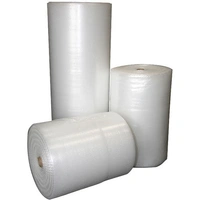
Bubble Wrap Rolls - Protective Bubble Packaging
From $108.56
-
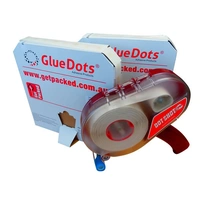
Glue Dots - Sticky Dots - GlueDots® Adhesive Produ
From $125.00

What is Low Surface Energy (LSE) ?

607
Low Surface Energy (LSE) refers to materials that have a surface that is difficult for adhesives, including adhesive tapes and double-sided tapes, to bond to effectively.
LSE materials resist the spreading or “wetting out” of adhesives, meaning the adhesive cannot easily make full contact with the surface. This can result in poor adhesion, weak bonding or tape lifting away over time.
Examples of Low Surface Energy Materials
Common LSE materials include:
- Polypropylene (PP) – used in plastic containers, packaging and automotive components.
- Polyethylene (PE) – commonly found in plastic films, bottles and containers.
- PTFE (Teflon) – a non-stick material that is particularly difficult to bond.
- Silicone – used in seals, rubber components and coated surfaces.
Why is LSE Important When Choosing Adhesive Tape?
Standard adhesive tapes generally bond more effectively to high surface energy materials such as metal and glass. Low surface energy plastics require specially formulated adhesives designed to achieve better wet out and stronger adhesion.
LSE adhesive tapes, including specialist double-sided tapes, are designed to bond to these difficult surfaces, often without needing primers or additional surface treatments.
In simple terms: Low Surface Energy means a surface is difficult to stick to. Choosing an adhesive tape specifically designed for LSE materials helps achieve a stronger, more reliable bond.
